

Custom systems
Built around your workflow and requirements instead of forcing your team to change how they work to fit generic software.
For work that off-the-shelf software can't handle, we build internal systems, customer-facing systems, dashboards and integrations between platforms — starting from what the real problem is, before asking which features you need.
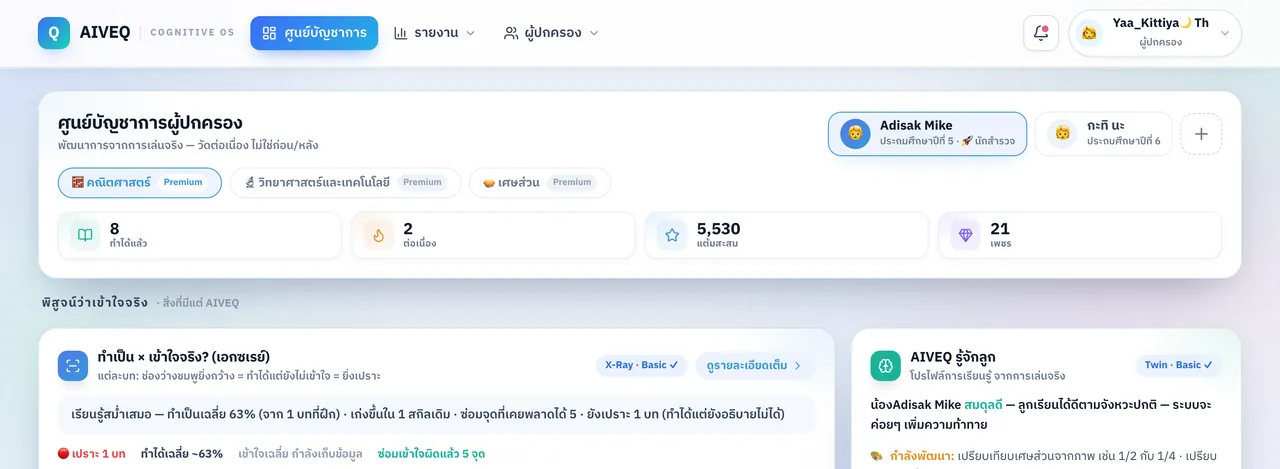
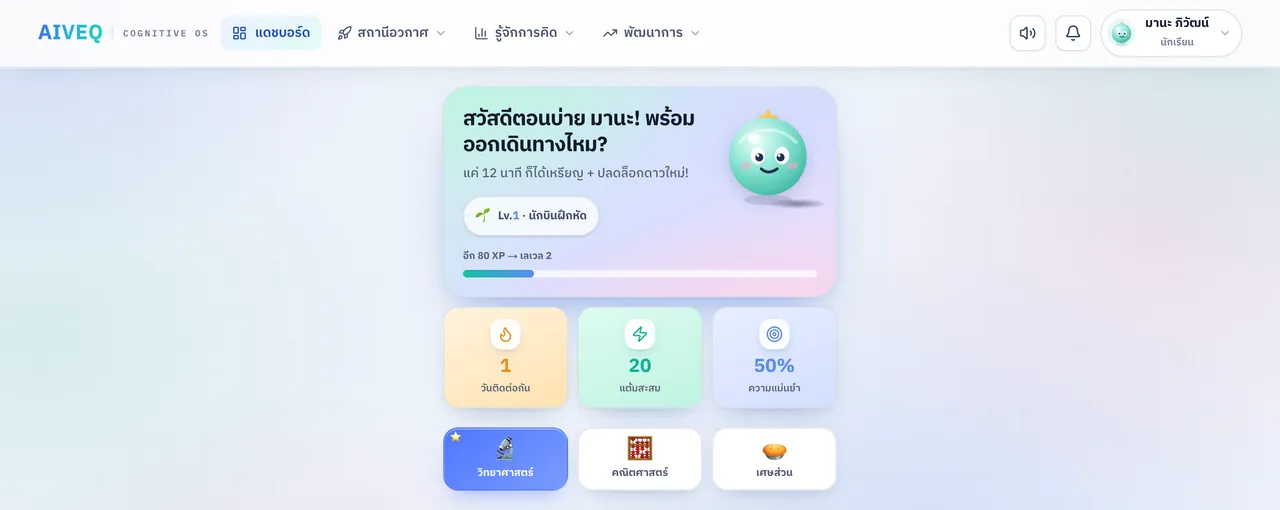
Real screens from AIVEQ's web system, built by our team
Before agreeing what to build, we ask what the real problem is, who the users are, what outcome the system should change, which data is needed — and, most importantly, what should not be built.
Built around your workflow and requirements instead of forcing your team to change how they work to fit generic software.
Manage work, customers, data, documents and internal processes in the browser, on any device.
Bring data from several sources into views that answer real questions for leaders, teachers, parents and teams.
Connect existing systems, external platforms and new services so data flows without re-entry.
Straight advice from a team that both buys off-the-shelf tools and builds its own systems.
A system your organisation uses every day stays with you far longer than the contract. These questions help you pick a team whose system gets used, not just delivered.
Systems built only from a feature list tick every box and nobody wants to use them.
At AI.ac.thWe don't write code to a feature list. Before agreeing what to build, we ask what the real problem is, who the users are and what outcome should change.
Some work should not be custom-built. A team that never says so sees your project as just a sale.
At AI.ac.thIf off-the-shelf software already covers your core needs, we will tell you plainly not to build.
A slide is not the same as a system people use every day. Ask to see the real thing before you decide.
At AI.ac.thAIVEQ's web system and dashboards serve both learners and parents — the screenshots on this page are real.
Waiting to see everything at the end turns small misunderstandings into large rework.
At AI.ac.thWe ship in rounds you can try before it is finished, with test documentation and a log of what was fixed.
Integration problems discovered mid-project are a major reason budgets and timelines grow.
At AI.ac.thOur first step is to check how open your existing systems are, then design so data flows without re-entry.
A system with no one looking after it and no guide slowly gets abandoned for spreadsheets.
At AI.ac.thWe support the system after launch, follow real usage in the first weeks and hand over an administrator guide.
Every step has a clear deliverable, so you always see where the project stands.
We talk to the people who will actually use the system, not just the people commissioning it, map the current process end to end, and separate the real problem from its symptoms.
We design the data structure, access rights and key screens, starting from the tasks users do most often — not the prettiest screen.
We ship in rounds you can try before it is finished, because what users say when they see the real thing is always different from what they say about a picture.
Launch day is not the end. We follow real usage in the first weeks, fix what gets in the way, and decide what to build next from what the data shows.
Step one of every software project, available on its own.
Not ready to commit to the whole project? Start with step one alone. At the end you will know what to build, what it should cost and how long it will take.
Talk about a Discovery SprintWhat people ask before hiring a software development company
Choose a team that asks about the problem before the feature list, tells you plainly when off-the-shelf software is the better deal, has its own systems in daily use to show you, ships in rounds, checks how your existing systems connect before starting, and has a plan for after handover. See the six questions before you hire.
If off-the-shelf software already covers your core needs, buying is usually the better deal. Custom software pays off when the way you work is a strength that generic software cannot support, or when your team re-enters the same data in several systems every day. If we think you should not build, we will tell you.
Yes, through APIs and integrations. Our first step is to check how open your existing systems are to connection, then design so data flows between them without re-entry.
Yes. A good dashboard answers the questions its users actually ask instead of showing every number. One example of our work is the AIVEQ parent centre, which shows what a child is practising, how they are progressing and where they need support next.
We do. We follow real usage in the first weeks after launch, fix what gets in the way, and hand over an administrator guide with a proposal for the next round based on usage data.
It depends on scope and the systems it must connect to. Start with a 2-week Discovery Sprint to get a prototype of the key screens, a budget estimate and a timeline you can rely on before committing to the whole project.
Just tell us the problem, who the users are and what you want to change. No requirements document needed. See the contact page.
No spec needed — we are good at starting from a brief that isn't clear yet.